
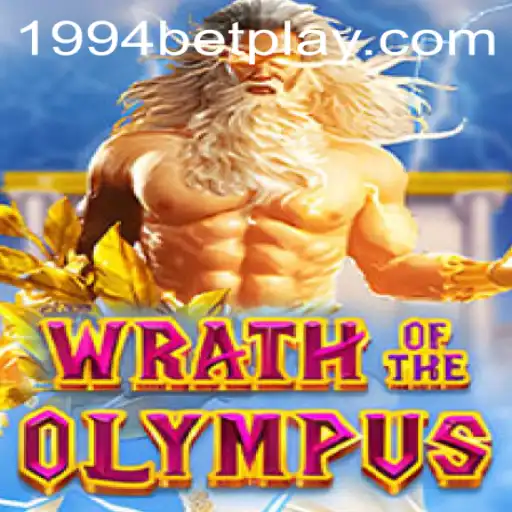

Explore the captivating world of Wrath of Olympus, an exhilarating game inspired by ancient mythology, featuring gameplay rules and current events.
Wrath of Olympus: A Majestic Game of Mythical Battles
The world of gaming has witnessed a plethora of themes and narratives over the years, yet the charm of ancient mythology persists due to its powerful gods and epic tales. One game that embraces the grandeur of mythological conflict is Wrath of Olympus. This game seamlessly combines the thrilling elements of tactical gameplay with the rich tapestry of ancient stories.
Introduction to Wrath of Olympus
Wrath of Olympus is a strategy-based game that draws heavily from ancient Greek mythology. Set against the backdrop of the divine abode of Mount Olympus, players are plunged into an exhilarating world where they take on the roles of different Olympian gods. The game, developed in the spirit of traditional turn-based strategies, allows players to wield divine powers and control mythological creatures to assert dominance over opponents.
Since its inception, Wrath of Olympus has been captivating players with its unique blend of strategy and storytelling. The game's narrative is centered around the legendary feud between the Olympian deities and the malevolent titans who seek to usurp their celestial rule. Players find themselves immersed in a richly detailed universe where every decision bears weight on the outcome of the cosmic conflict.
The Allure of Ancient Mythology in Modern Gaming
Ancient mythology has long served as a wellspring of inspiration for various forms of art and entertainment. With the recent surge in interest towards diverse storytelling mediums, games like Wrath of Olympus have found a dedicated audience. This renewed fascination can be attributed to the timeless appeal of mythological tales, which continue to resonate with contemporary themes of power, conflict, and destiny.
In the context of current events, the discussions around artificial intelligence and its role in society draw interesting parallels to the omnipotent gods of mythology. As we explore the realms of digital advancement and the potential creation of new "god-like" entities, games like Wrath of Olympus offer a safe and entertaining space to engage with these ideas creatively.
Gameplay Mechanics of Wrath of Olympus
Wrath of Olympus is designed to provide an engaging strategic experience with a touch of unpredictability. Players begin by selecting their deity, each equipped with unique abilities and divine interventions. These deities range from the thunder-wielding Zeus to the meandering trickster Hermes, each bringing a different playstyle to the table.
The game is played across intricately designed hexagonal maps that represent various mythical landscapes, from the ethereal gardens of Elysium to the foreboding depths of Tartarus. The objective is to control these regions and accumulate divine influence, which is crucial for summoning powerful mythic units and casting potent divine spells.
Game Rules and Mechanics
The core rules of Wrath of Olympus focus on strategic unit placement and resource management. Players must balance their divine interventions with the need to gather resources scattered across the map. These resources are vital for recruiting mythical creatures such as Minotaurs, Pegasus, and Cerberus, who add layers of depth to military campaigns.
Turns are segmented into phases that include movement, recruiting, combat, and deity powers use. Each phase allows various tactical decisions where players can leverage the terrain to gain advantageous positions. The combat system incorporates both deterministic and chance elements, where player skill and luck intertwine to shape the battlefield's outcome.
One of the distinctive features of Wrath of Olympus is the divine meter. As players progress, they accrue "faith points," which represent the allegiance of mortal believers. These points can be spent to augment divine powers and unlock new abilities, offering a dynamic way to shift the tide of battles.
The Role of Player Interaction and Alliances
A key element in Wrath of Olympus is the potential for establishing alliances. Just as the myths tell of uneasy alliances among gods to fend off greater threats, players can negotiate truces or collaborate against common adversaries. Such alliances can provide mutual benefits, leading to unique narratives within each game.
However, betrayals and strategic rivalries are equally encouraged. The ever-present tension of trust and guile mirrors the capricious nature of the gods themselves, ensuring that every game offers a unique story of diplomacy intertwined with divine strategy.
The Cultural Impact of Wrath of Olympus
Since its release, Wrath of Olympus has not only entertained but has also prompted discussions about the reinterpretation of mythology in entertainment. The game has been part of cultural discourse that examines how ancient stories can be reshaped to reflect modern sensibilities while retaining their original grandeur and lessons.
Its community thrives as it fosters creativity and encourages the sharing of custom content. Enthusiasts often engage in forums to discuss strategies and share stories from memorable sessions, contributing to an active and vibrant gaming community.
Overall, Wrath of Olympus stands as a testament to the enduring charm of mythology and its ability to inspire new generations. As gamers grapple with the divine struggles of the past, they are also led to reflect on the present, drawing parallels to existing global narratives and personal experiences.